Topic
Environment & heritage
Biodiversity, EPBC, heritage registers, First Nations Country, conservation areas.
17 articles

How to check if a property is heritage-listed before you buy
The four heritage layers that can restrict what you build (federal, state, local and Aboriginal) and how to check all of them for any Australian address.

The 3 tiers of heritage listing, and what each one actually blocks
Federal, state, council. Three independent heritage registers. A property can be listed on one, two, all three, or none.

NSW Biodiversity Values map: what it means for your block
The NSW Biodiversity Values map is the consolidated picture of which lots trigger the Biodiversity Offsets Scheme.

Why character area matters even if your house is not heritage-listed
You are not heritage-listed. Your front fence still cannot exceed 1.2 metres. Your front facade still needs council approval.

Does your property or project trigger an EPBC referral?
What triggers a federal EPBC referral (National Heritage places, threatened species, ecological communities and Commonwealth marine areas) and why approval runs $15–50k. Check before you bid.

Pre-1947 houses in Brisbane: the demolition rule explained
If your Brisbane home was built before December 31, 1946, you cannot demolish it without a code-assessable DA.
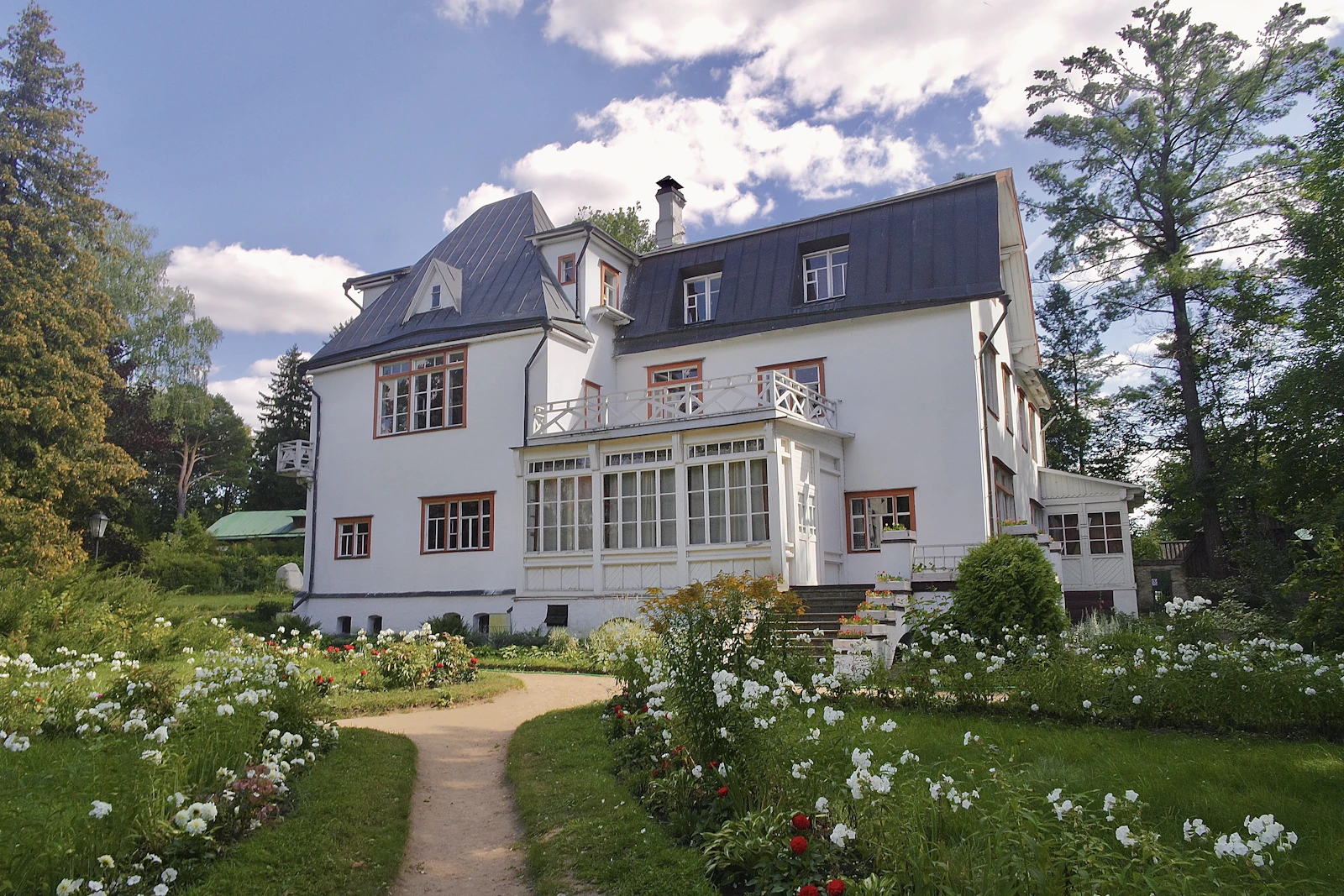
Conservation areas. What you cannot change about the exterior, and why.
Roof material. Front door colour. Window proportions. Fence height. Conservation area rules cover what you can change on the outside, and the rules apply

How to run a free AHIMS (Aboriginal heritage) search in NSW
How to run the free 10-minute AHIMS search for recorded Aboriginal heritage sites on a NSW lot, what the basic search shows, why it matters, and how to read the result before you buy.

Adaptive reuse: the playbook for converting old buildings
Office to apartments. Church to community hub. Warehouse to retail. Adaptive reuse takes a heritage-protected building and gives it a contemporary use.

Can I clear trees on my property? The 3 categories to know
Category 2 vegetation. Endangered ecological communities. Riparian buffer zone. Three categories of vegetation cleared without permit becomes a $200,000

The koala habitat mapping that controls 12 percent of NSW lots
Koala habitat mapping in NSW covers roughly 12 percent of the residential land base. Inside it, vegetation removal is restricted and certain construction

Water catchment areas. What "drinking water special area" controls on your lot.
Inside a Drinking Water Special Area, your sewage system, your fertiliser use, and your stormwater design face additional rules.

Soil capability. Classes 1 to 8 and why class 6 or higher is a problem.
Class 1 soil supports cropping. Class 4 supports grazing. Class 6 supports very little. If your rural lot is class 6 and you intended an orchard, you have

Riparian buffer zones. The 40-metre setback nobody mentions before exchange.
Any waterway in NSW carries a riparian buffer. 40 metres for major rivers. 20 metres for creeks. 10 metres for first-order streams.

The biobanking credit system. How to monetise biodiversity on land you cannot develop.
If you own land with high biodiversity values you cannot develop, you can sell the biodiversity credits to a developer who needs to offset their impact.

Heritage listing. Individual vs precinct, and what each means for your property.
An individually listed property and a property in a heritage conservation area have very different implications.

Biodiversity Development Assessment Reports (BDAR). When you need one and what it costs.
The NSW Biodiversity Offsets Scheme triggers BDAR requirements when vegetation clearing exceeds defined thresholds.