Conservation areas. What you cannot change about the exterior, and why.
Roof material. Front door colour. Window proportions. Fence height. Conservation area rules cover what you can change on the outside, and the rules apply
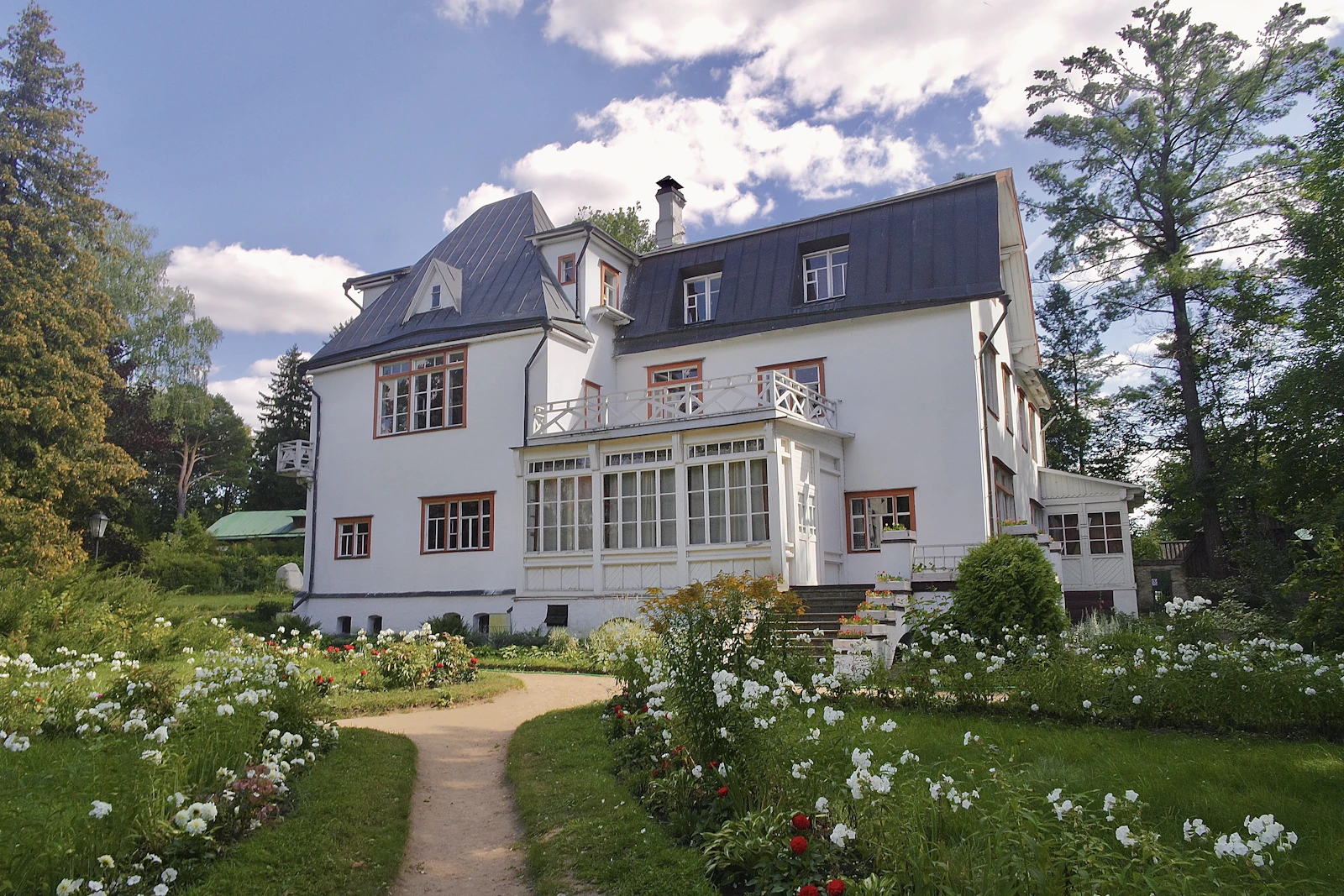
Heritage Conservation Areas (HCAs) sit between individual heritage listing and unconstrained residential zoning. The dwelling is not heritage-listed. The precinct is. The rules that apply to the precinct then constrain what you can do to the dwelling, even where the dwelling itself is unremarkable.
For buyers entering a conservation area, the surprises are usually about what counts as "external" and what counts as "internal." The official answer is often broader than the common-sense one.
What "external" actually means
Conservation area controls typically cover:
The obvious
- Front facade (composition, materials, fenestration)
- Roof form and material (where visible from public space)
- Front fence height and material
- Front and side setbacks
- Visible street-facing landscaping
The less obvious
- Side facades visible from adjoining streets
- Rear facades visible from public lanes
- Visible chimneys, even those non-functional
- Window proportions and frame materials
- Door colours and materials in some councils
- Awnings, shutters, and external lighting
- Solar panels visible from public space (some councils)
The unintuitive
- "Internal" renovations that affect facade openings (e.g. enlarging a window, even if the work is entirely inside)
- Air conditioning condensers mounted externally
- Satellite dishes and antennas
- Letterbox style and placement
The principle: anything that affects the visible appearance from public space falls within the scope. The dwelling owner is sometimes surprised by which "internal" projects are actually external for this purpose.
What conservation areas DO permit
The controls focus on character. They typically do NOT prevent:
- Internal renovation (kitchens, bathrooms, internal walls, structural reorganisation)
- Mechanical and electrical upgrades (plumbing, wiring, HVAC routing, network cabling)
- Insulation upgrades not visible externally
- Underfloor heating, solar hot water (if mounted out of sight)
- Garden landscaping not visible from public space
- Pool installation behind sight lines
- Most rear-yard structures (gazebos, pergolas, sheds) under defined sizes
The boundary between "permitted" and "consent required" sits at visibility from the public realm. If a passer-by from the street could see the change, the change typically needs council assessment.
How approvals work in conservation areas
Three pathways:
Pathway 1: exempt development
The smallest changes do not require any council application. Typically: routine maintenance, painting in approved heritage colour palettes (some councils), interior reorganisation that does not affect exterior openings.
Pathway 2: complying development
Generally NOT available in conservation areas. The complying-development fast-track requires the lot to be free of heritage / character controls, which HCAs are not.
Pathway 3: full Development Application
The most common pathway for any external change in a conservation area. The DA requires a Heritage Impact Statement (HIS) prepared by a heritage consultant. The HIS assesses the proposed change against the character of the precinct and recommends whether the change is appropriate.
Cost of HIS: $4,000-9,000 for a standard residential change. More for substantial extensions or restorations.
DA assessment timeline: 8-16 weeks for routine changes, longer for contentious ones.
When DAs in conservation areas get refused
Common reasons for refusal:
Reason 1: incompatible materials
Proposals to use modern materials (rendered concrete, polished metal, large picture windows) where the precinct character calls for traditional materials (weatherboards, brick, sash windows). Most councils will not approve the substitution.
Reason 2: incompatible massing
A two-storey extension that towers over neighbouring single-storey character dwellings. Even if the massing complies with the zone height limit, the precinct character may not support it.
Reason 3: loss of garden setting
A larger footprint that consumes the front or side garden where the precinct character relies on the garden setting. Common in older inner-Sydney conservation areas where deep front gardens are part of the visual rhythm.
Reason 4: visible solar / HVAC equipment
Solar panels mounted on a roof face visible from the street, where the council requires panels to be on the rear-facing face. Cooling units mounted on side facades visible from intersecting streets.
What to do before exchange
Three habits:
Habit 1: confirm the conservation area boundary
Council planning maps show the HCA boundary as a polygon. Confirm the lot is inside (or outside). A lot 50m one side of the boundary is constrained differently from a lot 50m the other side.
Habit 2: read the area's specific schedule
Each conservation area has a schedule in the council's heritage register or LEP that describes the period, the dominant character, the contributing elements, and the level of significance. The schedule tells you what the council considers essential to protect.
Habit 3: scope a heritage consultant before exchange if you plan substantial work
A 1-hour consultation with a heritage consultant ($400-800) tells you what the realistic DA pathway looks like for your planned work. This is often the difference between a viable project and an unviable one.
How conservation areas affect value
Two distinct effects:
Positive
- Preserved streetscape that drives long-term character premium
- Protection from incompatible neighbouring development
- Mature trees and consistent garden settings
- Premium of 4-10% for well-preserved conservation-area properties
Negative
- Limited redevelopment optionality (knock-down-rebuild typically not viable)
- Renovation costs 12-25% higher because of heritage-aware design, materials, and consultant fees
- Slower DA timelines for any external work
- Some buyers actively avoid HCAs because of the constraints
For long-term owner-occupiers, the net is usually positive. For redevelopers, usually negative.
Conservation areas protect what they protect for good reason. Reading what specifically is protected before exchange tells you whether the constraints fit your plans or fight them.


